Table of contents
- Sustainable recycling in the waste industry: Pallets and wood as valuable materials of the future
- The importance of wood recycling in modern waste management
- Pallet recycling: Circular economy in wholesale
- Innovative utilization concepts for wood waste
- Container service and logistics
- Sustainable pallet production through circular economy
- Technological innovations in wood recycling
- Economic advantages of wood recycling
- Environmental impact and sustainability
- Future prospects for wood utilization
- Conclusion: Wood recycling as a key to the circular economy
Sustainable recycling in the waste industry: Pallets and wood as valuable materials of the future
The waste industry is undergoing a fundamental transformation. What was once considered garbage is now being transformed into valuable resources. Especially in the area of wood waste and pallet disposal, innovative utilization concepts are emerging that offer both ecological and economic advantages. The modern circular economy has recognized that systematic recycling not only reduces environmental impact but also opens up new business areas and enables significant cost savings.
The importance of wood recycling in modern waste management
Wood is one of the most important renewable raw materials of our time. In the waste industry, the utilization of wood waste plays a central role, as sustainability and cost-efficiency can be optimally combined here. Professional waste collectors and processors have recognized that systematic recycling not only reduces environmental pollution but also opens up new business fields.
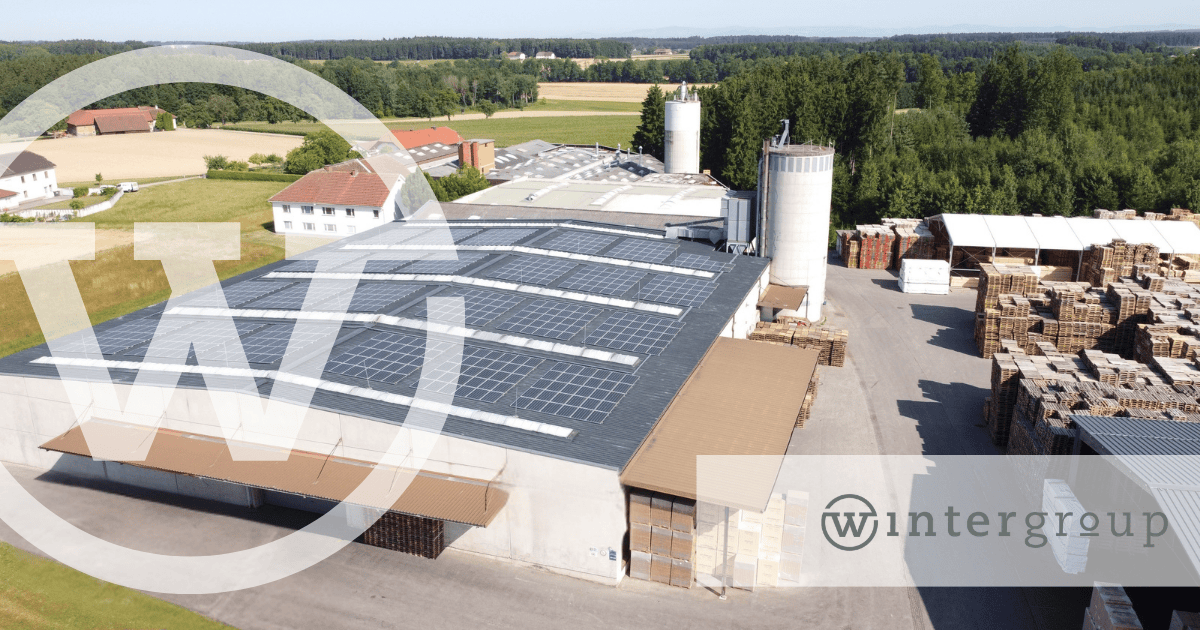
The Wintergroup impressively demonstrates how modern waste management works. With a state-of-the-art fleet consisting of high-performance shredders and screening systems, wood waste is processed efficiently and directed to various utilization paths. This technological equipment makes it possible to extract high-quality secondary raw materials from supposed waste.
In Austria, around 1.14 million tons of wood waste are generated domestically every year – in addition to about 707,000 tons from abroad. Of this, approximately 989,000 tons go into material recycling, 310,000 tons into energy use, and about 155,000 tons are exported. These figures impressively show how extensive and efficient wood recycling is already established in Austria: Over 80% of available wood waste is recycled materially – an ecologically and economically sustainable balance.
Pallet recycling: Circular economy in wholesale
Euro pallets and EPAL pallets are indispensable elements of modern logistics. Millions of pallets are moved daily in Europe, with a significant proportion being damaged or reaching the end of their service life. Here, a sophisticated recycling system takes effect, which offers various utilization options while adhering to the highest quality standards.
Processing and reuse
Modern treatment processes enable the preparation of scrap pallets for various uses. The wood components are carefully sorted and, depending on quality, sent to different purposes. High-quality wood parts can be used to produce new pallets, while damaged components are processed into wood chips or substitute fuel products.
The preparation process begins as soon as the scrap pallets are delivered. Trained employees carry out an initial inspection and separate recyclable components from unusable materials. Modern disassembly systems gently dismantle the pallets, allowing for the reuse of individual boards and blocks.
Innovative utilization concepts for wood waste
The utilization of wood waste is no longer limited to traditional incineration. Modern processing technologies open up a variety of usage possibilities that are both ecologically and economically advantageous.
Substitute fuel production
By performing product classification, the Wintergroup turns wood waste into high-quality substitute fuel products. These alternative fuels have a high calorific value and can replace conventional fuels in industrial plants. Product classification ensures compliance with strict quality standards.
The production process for substitute fuel products requires precise control over moisture, grain size distribution, and pollutant content. Modern processing plants can precisely control these parameters, thereby ensuring consistently high quality. The resulting fuels are suitable for various applications, from the cement industry to biomass power plants.
Material utilization
In addition to energy use, material recycling is becoming increasingly important. Processed wood fibers can be used for the production of wood panels, particle boards, or other wood materials. This form of utilization conserves natural resources and significantly reduces the need for fresh wood.
The production of wood panels from recycled materials requires special processing methods. Through mechanical shredding and sorting, homogeneous chips are created, which can be pressed with binding agents into high-quality panel materials.
Container service and logistics
An efficient container service forms the backbone of successful wood recycling. The Wintergroup, as a specialized service provider, offers customized solutions for the collection and transport of wood waste. From the provision of suitable containers to punctual collection, all logistical aspects are handled professionally.
Demand-oriented container sizes
Various container sizes are available depending on the volume and type of waste. From compact containers for small quantities to large-volume solutions for industrial applications – the flexibility of the container service enables cost-optimized disposal solutions.
Container logistics require precise planning and coordination. Modern telematics systems enable the optimization of collection routes. This reduces transport costs and minimizes environmental impact from unnecessary trips.
Specialized transport solutions
Specialized transport solutions are offered for various types of wood waste. Bulky pallets require different types of containers than fine wood shavings. The Wintergroup has a versatile fleet that offers the optimal solution for every application.
Sustainable pallet production through circular economy
The utilization of waste from our own pallet production closes the loop and maximizes resource efficiency. Production waste is processed directly on-site at the Wintergroup and fed back into the production process. This integrated approach reduces transport distances and minimizes environmental impact.
Optimized production processes
Modern production facilities are designed to minimize waste and optimally utilize any resulting residues. Through precise cutting optimization and efficient material usage, offcuts and waste are already reduced during the production process at Wintergroup.
Integrating recycling processes into pallet production requires careful planning. Production residues are sorted by quality and channeled into various uses according to their properties. High-quality residues can be used for the production of new pallets, while lower-quality materials are processed into wood chips.
Technological innovations in wood recycling
The further development of processing technologies is continuously driving efficiency in wood recycling. Modern shredders and screening plants enable precise sorting and processing of various wood fractions.
Automated sorting processes
Sensor technology and automated sorting processes significantly improve the quality of recycled products. Through precise identification of various contaminants, high-quality secondary raw materials can be produced.
Modern sorting plants use sensors to remove foreign materials such as iron and plastic from the material flow during the processing stage.
Innovative processing techniques
New wood processing methods allow for the extraction of high-quality fibers from waste wood. Through mechanical and chemical treatment processes, even heavily worn wood waste can be reprocessed into high-value raw materials.
Economic advantages of wood recycling
Professional wood recycling offers significant economic benefits for all parties involved. Companies can reduce costs through optimized disposal concepts while simultaneously fulfilling their environmental responsibilities.
Cost optimization through utilization
The utilization of wood waste generates revenue and reduces disposal costs. High-quality recycled products achieve attractive market prices and contribute to the economic efficiency of the entire recovery process.
Companies that rely on professional recycling partners can reduce their disposal costs by up to 30%. At the same time, the utilization of materials generates additional revenue that further lowers overall costs.
Quality standards and certification
Adherence to strict quality standards is essential for successful wood recycling. Certified processes guarantee the production of high-quality recycled products and build trust among customers and partners.
Continuous quality control
Regular quality checks and laboratory analyses ensure compliance with defined standards, including at Wintergroup. From delivery to the finished recycled product, every processing step is monitored and documented.
Quality assurance encompasses both the incoming inspection of delivered materials and the final inspection of produced recycled goods. Modern analytical equipment allows for the fast and precise determination of all relevant parameters.
Environmental impact and sustainability
Wood recycling makes an important contribution to environmental protection. By recycling wood waste, natural resources are conserved and CO2 emissions are reduced. Every ton of recycled wood saves approximately 1.5 tons of CO2 equivalents.
Contribution to climate protection
The utilization of wood waste actively contributes to climate protection. By substituting fossil fuels with wood fuels, greenhouse gas emissions are reduced. At the same time, the carbon stored in the wood remains bound in the economic cycle for longer.
Future prospects for wood utilization
The future of wood utilization lies in the intelligent combination of technology, sustainability, and economic efficiency. Innovative recycling methods will continue to increase recovery rates and open up new areas of application.
Digitalization and Industry 4.0
Digitalization is also revolutionizing the waste management industry. Intelligent sensors, data analytics, and automated processes are continuously optimizing the efficiency and quality of wood utilization.
These technologies will significantly increase the efficiency of wood utilization in the coming years.
Conclusion: Wood recycling as a key to the circular economy
Sustainable recycling in the waste sector, especially with pallets and wood, is far more than just waste disposal. It is an essential building block of the circular economy that combines ecological and economic benefits. Through professional collection, modern processing technologies, and innovative utilization concepts, waste is turned into valuable resources.
The Wintergroup serves as an example of how modern waste management works: with state-of-the-art technology and a comprehensive service portfolio, wood waste becomes a valuable raw material for the future. Companies that rely on professional recycling partners benefit from cost advantages, fulfill their environmental responsibility, and make an important contribution to the sustainable development of our economy.
The future belongs to companies that successfully combine sustainability and economic efficiency. Wood recycling offers the ideal foundation for this and will continue to gain importance in the coming years.