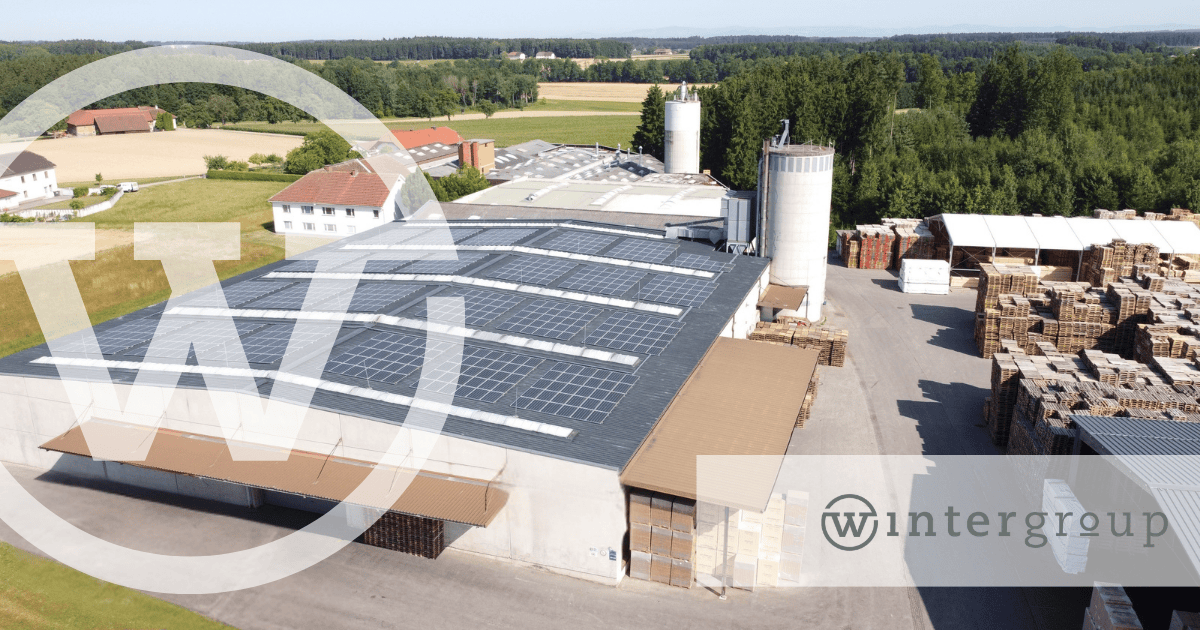
Wooden pallets: The eco-friendly and economical solution
Wooden pallets are an indispensable part of the logistics industry. They consist mainly of renewable raw materials, which makes them an eco-friendly choice. As a material, wood stores CO₂ throughout its lifespan, meaning it actively contributes to reducing the greenhouse effect. These pallets are biodegradable and can be recycled after their use or even used as biomass for energy generation.
Another advantage of wooden pallets is their reusability. If a pallet is damaged, individual boards or parts can easily be replaced so that the pallet can be used again for many years. This reduces waste and conserves resources, as the production of new pallets is not necessary.
FSC-certified wooden pallets also offer additional assurance that the wood comes from sustainably managed forests. FSC (Forest Stewardship Council) sets strict standards for the sustainable use of forests, ensuring that timber harvesting does not have negative impacts on the environment or the local population. Likewise, PEFC certification (Programme for the Endorsement of Forest Certification) ensures that wood products come from sustainably managed forests. PEFC sets globally recognized standards for responsible forest management and promotes environmentally friendly, socially beneficial, and economically viable forestry practices.
Plastic pallets: High CO₂ footprint despite long durability
Plastic pallets have secured a place in logistics due to their durability and hygienic properties. They are particularly resistant to weather conditions and offer a longer service life than wooden pallets, making them the preferred choice in some application areas. However, these advantages often come at the expense of the environment.
The production of plastic pallets is energy-intensive and requires the use of fossil fuels, which leads to high CO₂ emissions. Plastic pallets therefore contribute significantly to global warming, as they release considerably more greenhouse gases during their production and disposal than wooden pallets. Furthermore, the recycling of plastic pallets is complex and resource-intensive. Although plastic is recycled, the process requires special methods and can be difficult to carry out in many regions. This means that many plastic pallets end up in landfills and are not fully recycled.
Another challenge is the use of plastics, which are often produced on a petroleum basis. While plastic pallets can be advantageous in certain areas of logistics, they are the less sustainable choice from an ecological perspective compared to wooden pallets.
Metal pallets: Stable, but environmentally harmful in production
Metal pallets are important in logistics primarily due to their extreme load-bearing capacity and long service life. They can withstand considerable weights and are therefore particularly suitable for heavy-duty logistics and the transport of industrial goods. However, the production of metal pallets has significant impacts on the environment.
The production of metal requires a large amount of energy and natural resources. The mining of metals, especially steel and aluminum, is associated with significant CO₂ emissions. Steel is melted in blast furnaces at extremely high temperatures, which leads to a substantial release of CO₂. Metal production also involves rare resources that often come from environmentally harmful mining practices.
Although metal pallets are generally more durable than wooden or plastic pallets and can also be reused, the environmental footprint of their production is much worse than that of wooden pallets due to the high energy consumption and emissions.
CO₂ emissions and environmental footprint in direct comparison – Why wooden pallets are the best choice for climate protection
Regarding CO₂ emissions, it is clear that wooden pallets are superior to other materials. Wood stores CO₂ throughout its lifespan, meaning it acts as a carbon sink. A well-maintained wooden pallet can sequester several kilograms of CO₂ during its lifetime, while plastic and metal pallets emit significantly more CO₂ during their production and disposal.
According to a study by the German Environment Agency (Umweltbundesamt), the production of a wooden pallet causes an average of 15-20 kg of CO₂ emissions, while a plastic pallet emits about 30-40 kg of CO₂. Metal pallets can even release 50-60 kg of CO₂ in their production, making them less sustainable from a climate protection perspective.
Those who rely on wooden pallets actively contribute to the reduction of global CO₂ emissions. This reduction is particularly important for companies that want to improve their climate footprint. In many cases, choosing the right pallet can contribute to achieving sustainability goals and minimizing a company's environmental impact.
Recycling and disposal: Which type of pallet is really sustainable?
The recycling and disposal of pallets play a crucial role in determining their sustainability. Wooden pallets have a clear advantage in this area. They can either be recycled, reused, or used as biomass for energy generation. The decomposition of wood occurs relatively quickly, and wood waste can be efficiently recycled for electricity generation or in paper production.
Plastic pallets are more difficult to recycle and require special recycling processes that are not always available in many regions. Furthermore, plastic is a material that is produced in large quantities from petroleum, which makes disposal somewhat more difficult as it decomposes slowly in landfills and can release toxic substances.
Although metal pallets have a high service life and are reusable, they also must be recycled in an energy-intensive manner. The process of recycling metal pallets is very complex and requires the use of a lot of energy, which in turn has a negative impact on the environmental balance of this type of pallet.
Sustainable forestry: Certified wooden pallets as an eco-friendly choice
Choosing FSC-certified wooden pallets ensures that the wood used comes from sustainably managed forests. FSC (Forest Stewardship Council) is an independent non-profit organization that promotes the sustainable management of forests worldwide. FSC-certified forests are characterized by compliance with strict ecological, social, and economic standards.
FSC-certified pallets help prevent the overexploitation of forests and ensure that biodiversity is maintained in the affected areas. Companies that use FSC-certified pallets ensure that their logistics processes are more environmentally friendly and that they actively contribute to the preservation of forests and ecosystems.
The use of certified wooden pallets is therefore not only a step toward more sustainable logistics but also a clear signal of a company's commitment to protecting nature and the environment.

Acquisition costs vs. service life: Which pallets are really worth it?
While wooden pallets are generally cheaper to purchase than plastic or metal pallets, they offer more long-term economic benefits. By having the option to repair damaged pallets, companies can extend the lifecycle of the pallets and reduce the need to purchase new ones. This leads to significant savings, both in terms of purchase price and disposal costs.
Plastic pallets, on the other hand, are generally more expensive to purchase due to their durability. While they do not need to be replaced as often, their environmental footprint and higher production costs are reflected in the total price. The long-term savings from wooden pallets can therefore offset the higher price of plastic and metal pallets over the years.
Total cost consideration: Sustainability pays off
In the long term, wooden pallets are the more economical choice. They incur lower operating costs over the entire lifecycle and reduce logistics and transport costs. Wooden pallets are lighter than metal pallets, which reduces transport costs while simultaneously lowering CO₂ emissions.
Companies that rely on wooden pallets not only benefit from direct savings but also from a better ecological balance sheet. A sustainable supply chain leads to better market positioning in the long term and can help companies benefit from increasingly strict environmental regulations and growing demand for green solutions.
Wooden pallets are the most sustainable choice in logistics
Those who rely on sustainable pallets not only save costs but also reduce their CO₂ footprint. The advantages of wooden pallets lie in their environmental friendliness, cost-efficiency, and high recyclability. Companies that switch to a sustainable supply chain benefit in the long term – economically and ecologically.
Learn more about selecting the right pallets for your area of application and how your company can reduce its CO₂ footprint using wooden pallets at: https://wintergroup.com/
Opt for sustainable logistics solutions and actively contribute to climate protection.