Sustainable heat generation is one of the most effective methods today to heat in a climate-friendly way. In doing so, we rely on biomass heating plants that not only increase the efficiency of heat production but also significantly reduce CO2 emissions. In one of our previous articles, we already explained the advantages of biomass as a fuel for heating systems in detail. As a company, we want to lead by example here and are investing heavily in sustainable forms of energy to create a more environmentally friendly future. Especially in the area of heat generation, we focus on innovative and climate-friendly heating solutions.
From decentralized heating system to modern biomass heating plant
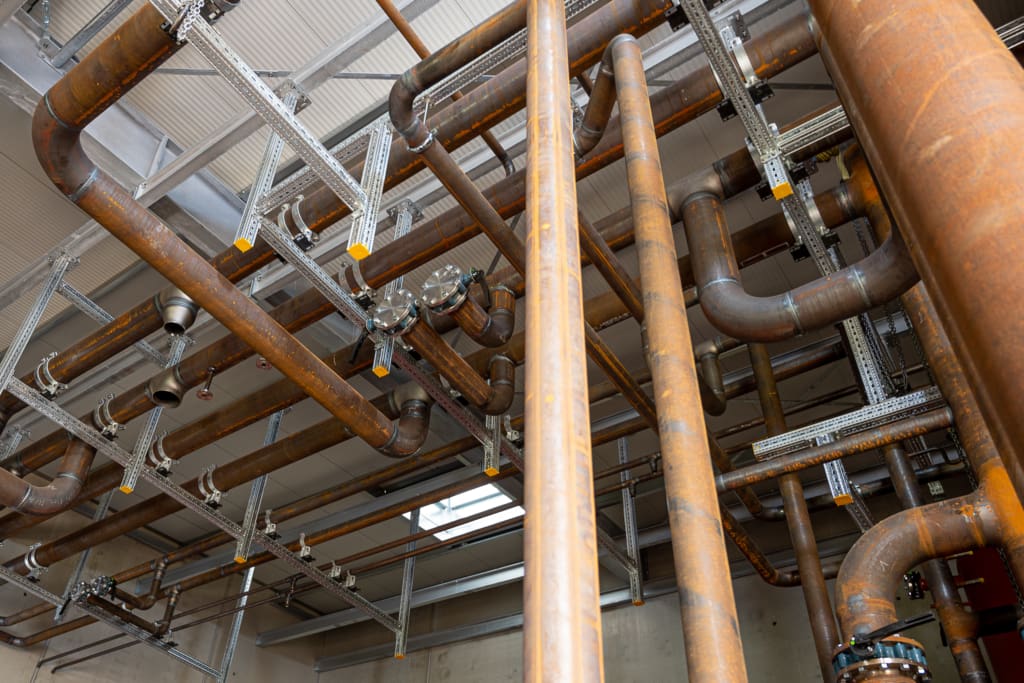
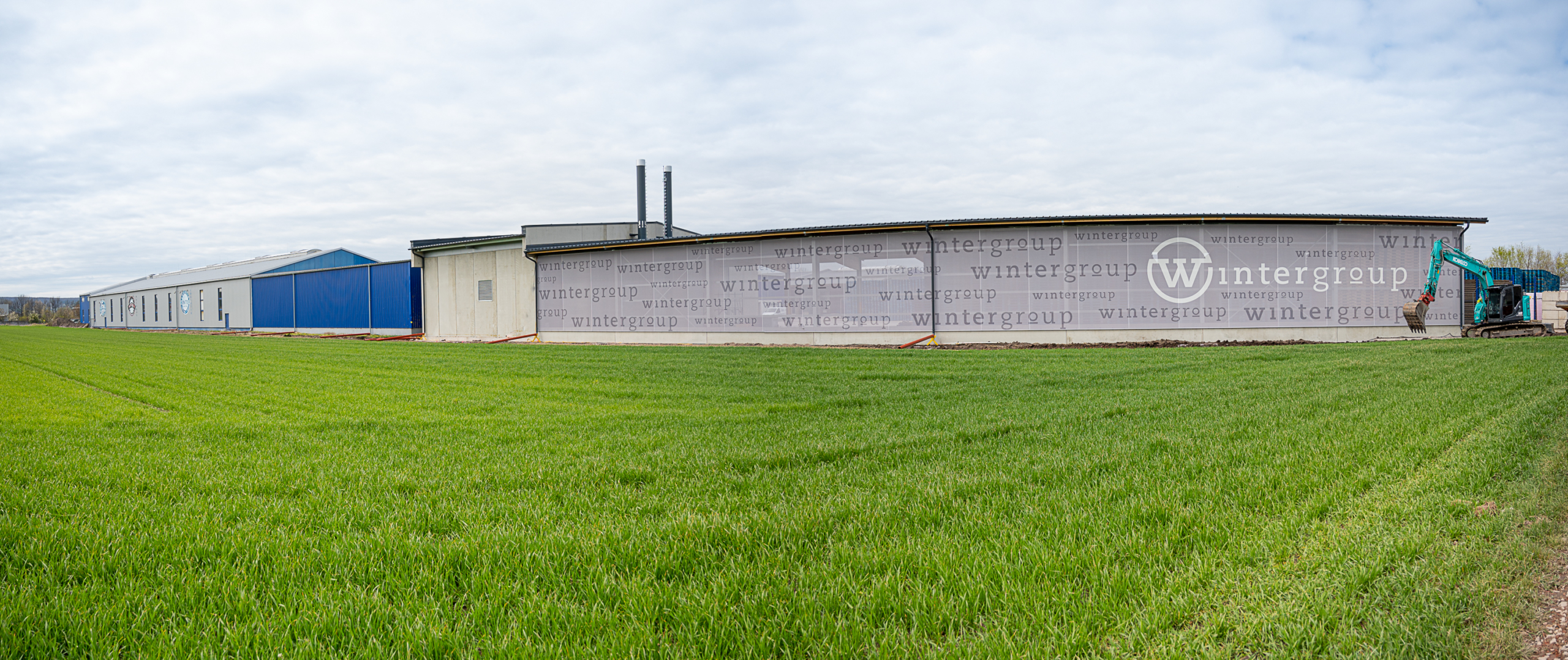
Earlier heating systems in our production facilities were limited to decentralized, local heat supply. With the further development of the company and the planned projects for the coming years, however, it quickly became clear that the existing infrastructure would no longer be sufficient to cover the increasing demand for sustainable energy. Therefore, we are currently in the construction phase of a new biomass heating plant, which will be equipped with two high-performance boiler systems. Each boiler has a nominal output of 850 kW and a fuel heat capacity of 888 kW and will efficiently provide production halls, warehouses, wood drying systems, and office buildings with sustainable heat.
The planning and implementation of the project not only takes into account the expansion of the heat supply but also the integration of existing heating systems. This connection ensures that we can continue to use the already existing infrastructure to maximize the efficiency of the new plant. Furthermore, we have created interfaces to activate the old systems as a backup if necessary, ensuring a continuous energy supply. This innovation contributes to improving energy efficiency while simultaneously reducing investment costs.
Climate-friendly and resource-saving heating through local fuels
A crucial aspect of the planning was the selection of fuels and the minimization of transport distances. To heat in a more climate-friendly way, we place great value on the raw materials originating from the immediate vicinity. This not only reduces the emissions caused by long transport distances but also contributes to the sustainable recycling of residual materials. Instead of fossil fuels, we rely on the use of biomass, which significantly reduces CO2 emissions compared to conventional heating systems.
By using residual materials in biomass heating plants, we contribute to the circular economy. Waste from production and other biomass residues are reused as fuel, which optimizes the overall resource consumption. This way, we can not only maximize energy efficiency but also ensure a climate-friendly heat supply.
Advantages of biomass heating plants for companies
The construction of a biomass heating plant offers numerous advantages, especially for companies that depend on a sustainable energy supply. In addition to the central heat supply for large production facilities, companies benefit from a more efficient and cost-effective method of heat generation. Biomass heating plants offer the possibility of using renewable energy in the form of sustainable heat on a large scale, which significantly reduces CO2 emissions while simultaneously lowering energy costs.
Another plus is the high flexibility of a biomass heating plant. Thanks to the integration of existing heating systems, the company can rely on a robust infrastructure that is prepared for both current and future energy requirements. With this sustainable solution, companies actively contribute to energy efficiency and make an important contribution to climate protection.
Learn more about sustainable solutions like our wooden pallets for an environmentally friendly future and discover the article at https://wintergroup.com/2023/09/20/paletten-und-das-klima/
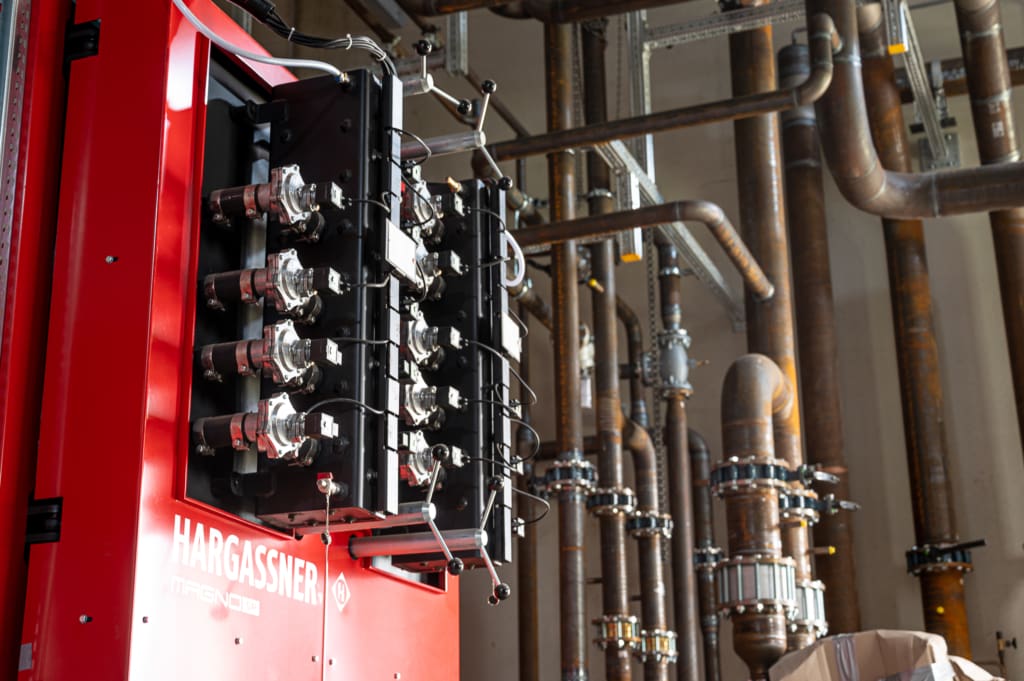
Aspects of sustainability were already taken into account during the implementation of the new biomass heating plant. Existing infrastructures were integrated into the plan so that they did not have to be rebuilt. Interfaces to existing heating systems were created, and they can also be reactivated as a "backup" in an emergency.
When supplying the new boiler house, it was important to us that there are no long transport routes for fuel, that sustainable recycling of residual materials is possible, and that raw materials from our own surroundings are used. This makes us even more climate-friendly.